
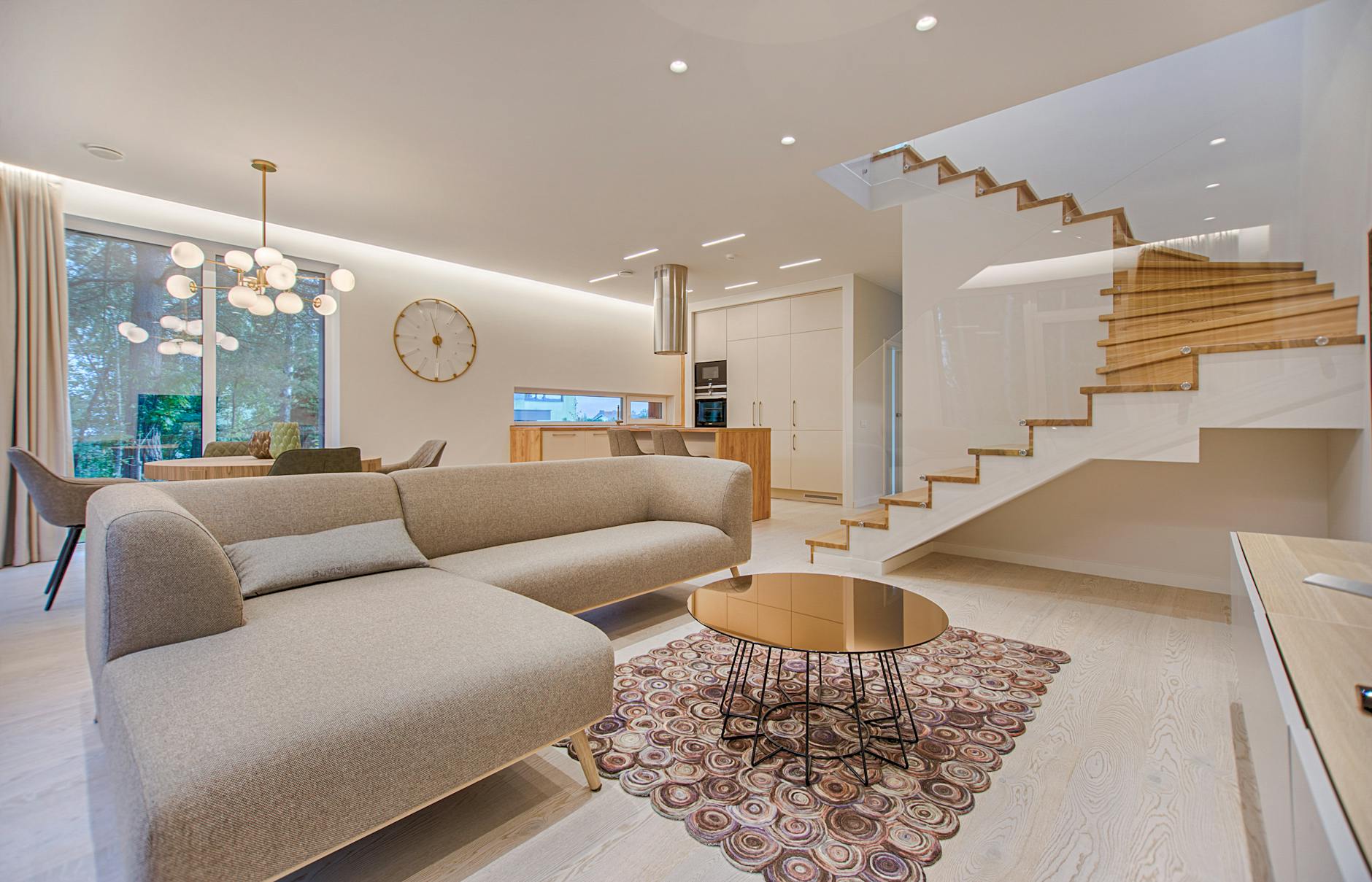
Have you ever walked into a room and felt something was off, but couldn’t quite put your finger on it? 🤔 You’re not alone! Many homeowners struggle with creating a harmonious and functional living space, often falling prey to common residential interior design pitfalls. From overcrowded rooms that feel claustrophobic to mismatched colors that clash instead of complement, these mistakes can turn your dream home into a design nightmare.
But don’t worry – we’ve got you covered! 🛋️✨ In this blog post, we’ll explore the top five residential interior design mistakes that even seasoned decorators sometimes make. More importantly, we’ll show you how to avoid these blunders and transform your space into a stylish haven that reflects your personality and meets your needs.
So, whether you’re a DIY enthusiast or simply looking to refresh your living space, join us as we dive into the world of residential interior design dos and don’ts. We’ll uncover the secrets to balancing aesthetics with functionality, mastering the art of scale and proportion, and creating a lighting scheme that sets the perfect mood. Get ready to say goodbye to cluttered spaces and hello to a home that’s both beautiful and practical!
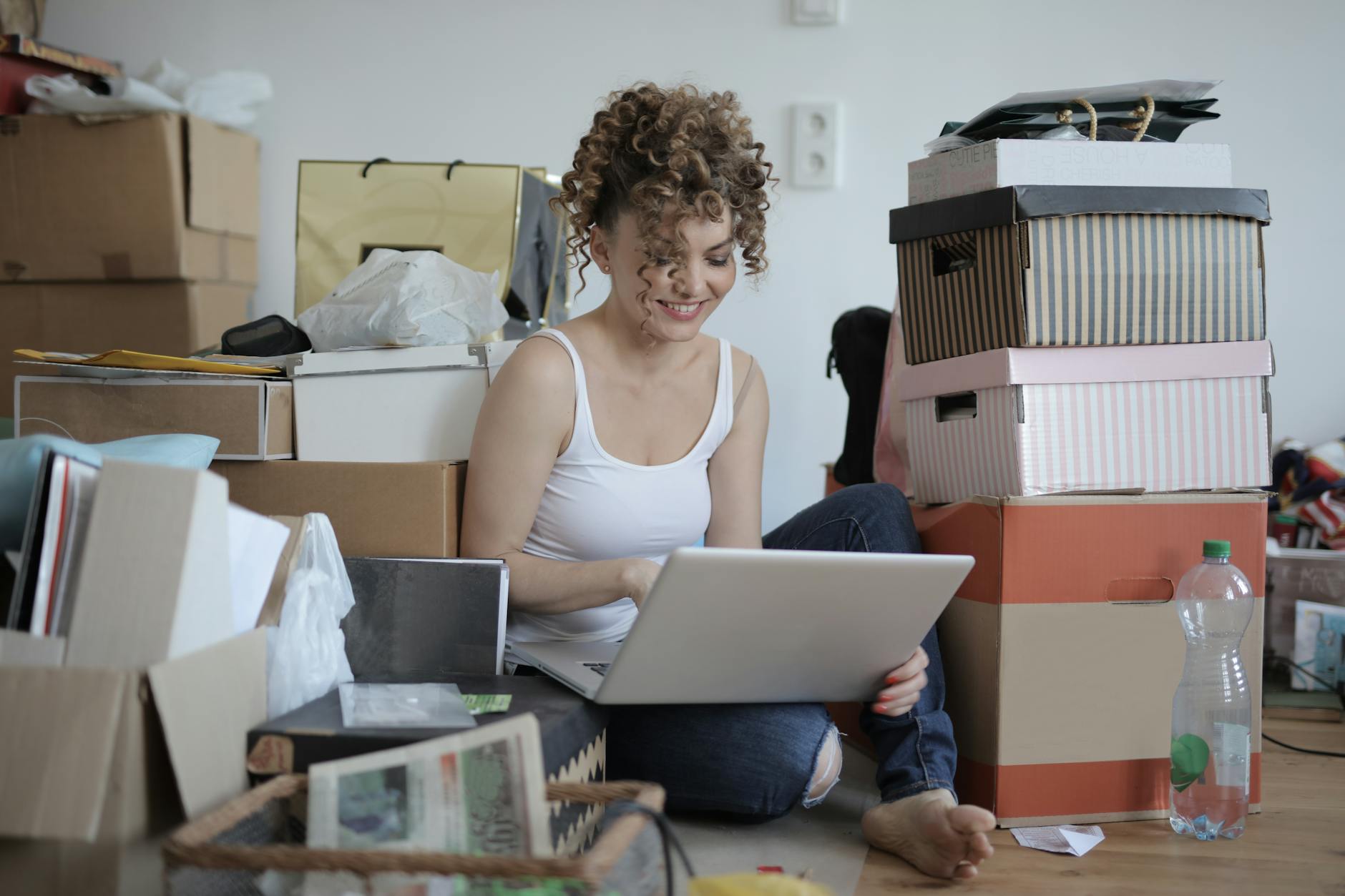
Overcrowding Spaces: The Clutter Conundrum
One of the most common residential interior design mistakes is overcrowding spaces, leading to a cluttered and chaotic environment. To create a harmonious and inviting living space, it’s essential to address this issue head-on.
A. Identifying unnecessary items
The first step in decluttering your space is to identify items that are no longer needed or don’t contribute to the overall design. Consider the following categories:
- Decorative objects
- Furniture pieces
- Personal belongings
- Seasonal items
Use this table to evaluate each item:
| Question | Yes | No |
|---|---|---|
| Does it serve a purpose? | Keep | Consider removing |
| Does it bring joy? | Keep | Consider removing |
| Has it been used in the last year? | Keep | Consider removing |
| Does it fit the current design aesthetic? | Keep | Consider removing |
B. Implementing the “less is more” philosophy
Embracing minimalism can significantly improve your residential interior design. Here are some tips to achieve a more streamlined look:
- Choose quality over quantity
- Focus on statement pieces
- Utilize multi-functional furniture
- Opt for built-in storage solutions
C. Creating breathing room in your design
Once you’ve decluttered and embraced minimalism, it’s crucial to create visual breathing room in your space. This can be achieved by:
- Leaving negative space on walls and shelves
- Grouping similar items together
- Using a cohesive color palette
- Incorporating open storage solutions
By addressing the clutter conundrum, you’ll create a more spacious and visually appealing environment. Now that we’ve tackled overcrowding, let’s move on to the next common mistake: ignoring scale and proportion in residential interior design.

Ignoring Scale and Proportion
Now that we’ve addressed the issue of overcrowding, let’s dive into another common residential interior design mistake: ignoring scale and proportion. This oversight can make even the most beautifully decorated room feel off-balance and uncomfortable.
Understanding the importance of furniture size
Selecting the right size furniture for your space is crucial. Oversized pieces can make a room feel cramped, while undersized items may look lost and insignificant. Consider these key points:
- Measure your room and doorways before purchasing furniture
- Allow for adequate circulation space around furniture
- Choose pieces that complement the room’s dimensions
| Room Size | Furniture Recommendations |
|---|---|
| Small | Multi-functional, compact |
| Medium | Standard-sized, versatile |
| Large | Statement pieces, zoning |
Balancing large and small elements
Creating visual interest in a room involves mixing various sizes of furniture and decor. This balance helps guide the eye and creates a cohesive look. Tips for achieving this balance include:
- Pair a large sofa with smaller accent chairs
- Use a mix of tall and short plants
- Combine large art pieces with smaller decorative items
Using the rule of thirds for visual harmony
The rule of thirds is a design principle that can help create a sense of balance and interest in your space. Here’s how to apply it:
- Divide your room or wall into a 3×3 grid
- Place key elements along these lines or at their intersections
- Group decorative items in odd numbers, preferably threes
By paying attention to scale and proportion, you’ll create a more harmonious and visually appealing space. Next, we’ll explore another crucial aspect of residential interior design: proper lighting and its impact on your home’s ambiance.

Neglecting Proper Lighting
Now that we’ve explored the importance of scale and proportion, let’s shed some light on another crucial aspect of residential interior design: proper lighting. Many homeowners underestimate the impact of well-planned illumination, leading to spaces that feel dull, uninviting, or poorly balanced.
A. Layering different types of lighting
To create a well-lit space, consider incorporating these three essential lighting types:
- Ambient lighting: General illumination for the entire room
- Task lighting: Focused light for specific activities
- Accent lighting: Highlighting decorative elements or architectural features
| Lighting Type | Purpose | Examples |
|---|---|---|
| Ambient | Overall illumination | Ceiling fixtures, recessed lights |
| Task | Focused lighting for activities | Desk lamps, under-cabinet lights |
| Accent | Highlighting specific elements | Picture lights, wall sconces |
B. Choosing the right bulb color temperature
The color temperature of your light bulbs can dramatically affect the mood and functionality of a space:
- Warm white (2700-3000K): Cozy and inviting, ideal for living rooms and bedrooms
- Cool white (3500-4100K): Energizing and clean, suitable for kitchens and bathrooms
- Daylight (5000-6500K): Crisp and invigorating, perfect for home offices or art studios
C. Incorporating natural light effectively
Maximize the use of natural light to enhance your space:
- Position mirrors strategically to reflect and amplify sunlight
- Use sheer curtains to diffuse harsh direct sunlight
- Keep windows clean and unobstructed to allow maximum light penetration
D. Using lighting to create ambiance
Lighting plays a crucial role in setting the mood of a room:
- Install dimmer switches for flexibility
- Use warm-toned bulbs in relaxation areas
- Incorporate statement light fixtures as focal points
- Experiment with colored LED strips for accent lighting
By addressing these lighting considerations, you’ll create a more inviting and functional living space. Next, we’ll explore how to avoid the common pitfall of mismatching colors and patterns in your residential interior design.

Mismatching Colors and Patterns
Now that we’ve explored the importance of proper lighting, let’s dive into another crucial aspect of residential interior design: color and pattern coordination. Mismatching colors and patterns can quickly turn a potentially stunning space into a visual chaos. Here’s how to avoid this common pitfall:
Creating a cohesive color palette
The key to a harmonious interior lies in a well-thought-out color palette. Start by selecting a base color and build your scheme around it. Consider using a color wheel to find complementary or analogous colors that work well together.
Balancing bold and neutral elements
A balanced mix of bold and neutral elements can create visual interest without overwhelming the space. Here’s a simple guide:
- Use neutral colors for larger surfaces (walls, floors)
- Incorporate bold colors in accent pieces (pillows, artwork)
- Add depth with different shades and tones of your chosen colors
Using the 60-30-10 color rule
The 60-30-10 rule is a foolproof way to achieve a balanced color scheme:
| Percentage | Color Type | Application |
|---|---|---|
| 60% | Dominant color | Main walls, large furniture |
| 30% | Secondary color | Accent walls, textiles |
| 10% | Accent color | Accessories, small decor items |
Mixing patterns tastefully
Patterns can add depth and personality to a room, but mixing them requires finesse:
- Vary the scale of patterns (large, medium, small)
- Stick to a consistent color palette
- Mix different pattern types (geometric, floral, abstract)
- Use solid colors to break up patterns and prevent visual overload
By following these guidelines, you’ll create a visually appealing space that feels cohesive and intentional. Next, we’ll explore how to strike the perfect balance between aesthetics and functionality in your residential interior design.
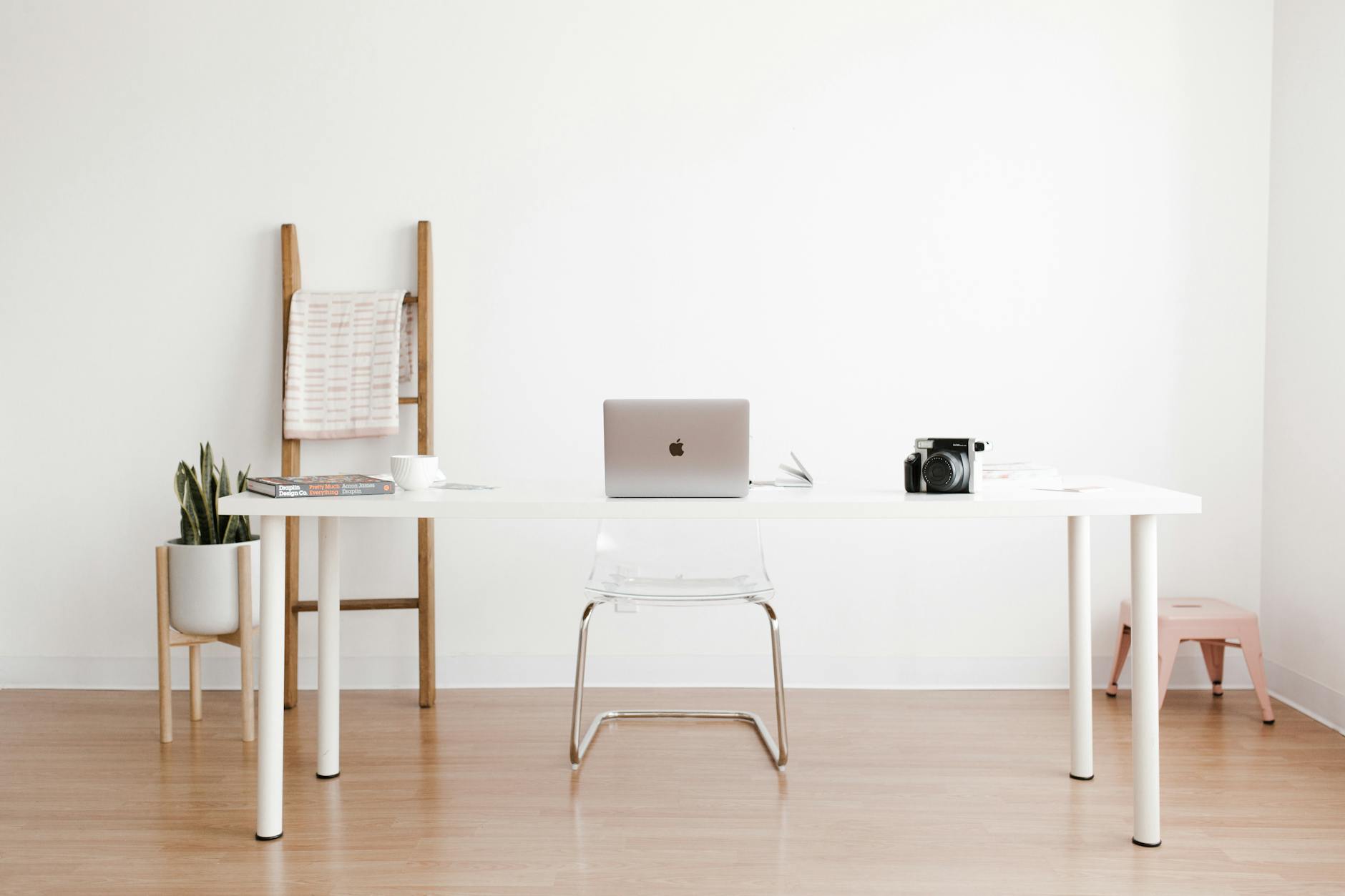
Forgetting Functionality for Aesthetics
When it comes to residential interior design, it’s easy to get caught up in creating a visually stunning space while overlooking its practical aspects. However, striking a balance between form and function is crucial for a truly successful design. Let’s explore how to avoid the common mistake of prioritizing aesthetics over functionality.
Prioritizing comfort in seating choices
Comfortable seating is essential for any living space. While sleek, modern chairs may look impressive, they’re not always the best choice for everyday use. Consider these factors when selecting seating:
- Ergonomics
- Material durability
- Ease of cleaning
- Versatility
Ensuring adequate storage solutions
A well-designed room should have ample storage to keep clutter at bay. Incorporate storage solutions that blend seamlessly with your aesthetic:
- Built-in shelving
- Multifunctional furniture
- Hidden storage compartments
- Stylish baskets and containers
Designing for your lifestyle needs
Your home should reflect and support your daily routines and activities. Consider the following:
| Lifestyle Need | Design Solution |
|---|---|
| Home office | Dedicated workspace with proper lighting and ergonomic furniture |
| Family with kids | Durable materials and child-friendly layouts |
| Entertaining guests | Open floor plan and flexible seating arrangements |
| Pet owners | Easy-to-clean surfaces and pet-friendly furniture |
Balancing form and function in each room
Every room should serve its intended purpose while still looking beautiful. Here are some tips:
- Choose furniture that complements the room’s function
- Incorporate decorative elements that also serve a purpose
- Use textures and patterns to add visual interest without compromising functionality
Considering traffic flow and space usage
A well-designed space should allow for easy movement and efficient use of available area. Keep these points in mind:
- Create clear pathways between furniture pieces
- Arrange furniture to promote conversation and interaction
- Avoid blocking windows or doorways
- Leave enough space for activities specific to each room
By focusing on these aspects, you can create a home that not only looks stunning but also functions perfectly for your lifestyle. Remember, the most beautiful interiors are those that seamlessly blend aesthetics with practicality.
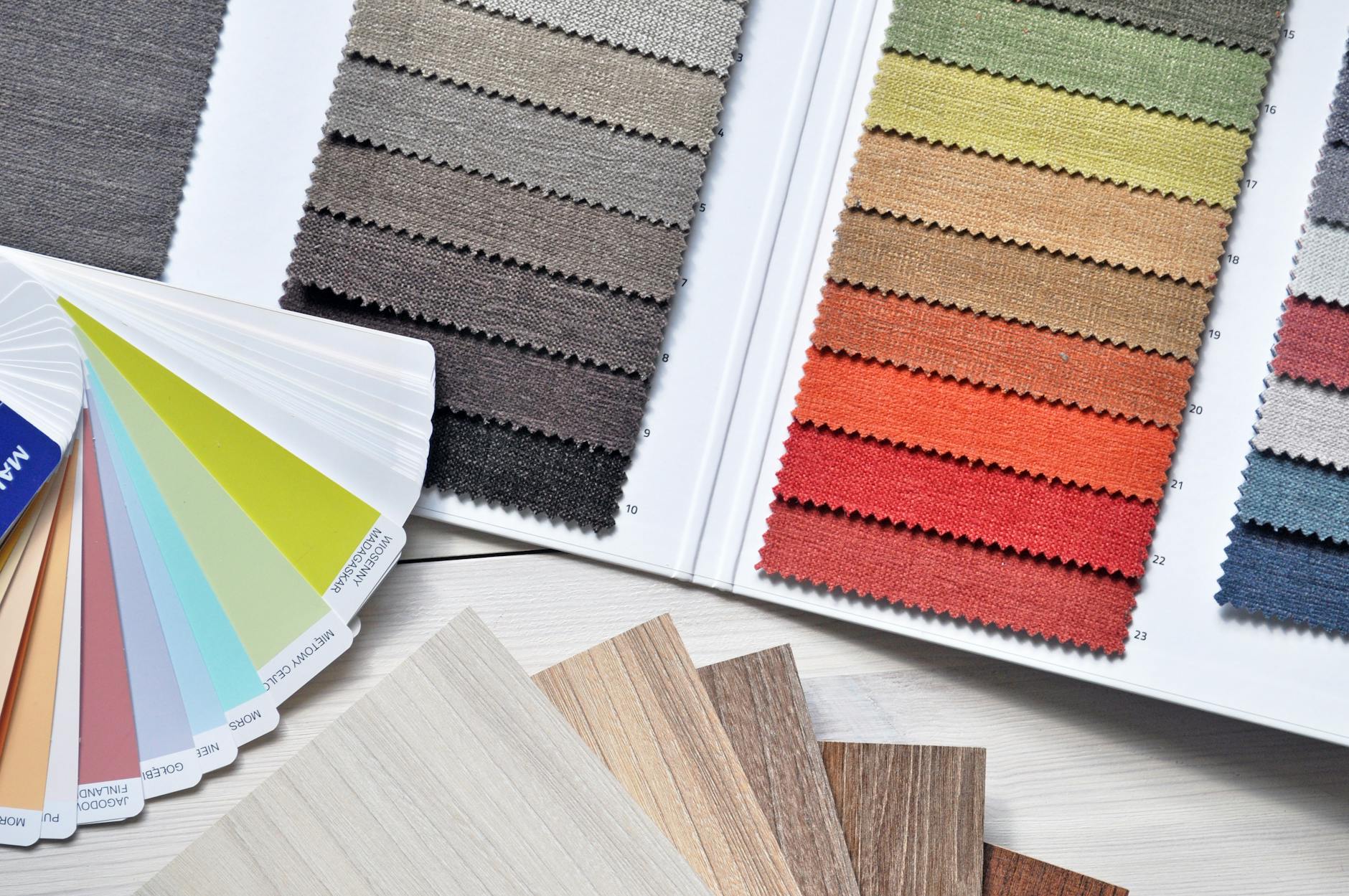
Creating a beautiful and functional living space requires careful consideration and planning. By avoiding common residential interior design mistakes such as overcrowding, ignoring scale, neglecting lighting, mismatching colors, and prioritizing aesthetics over functionality, you can transform your home into a harmonious and inviting environment.
We are the best in residential interior design.
Conclusion
Remember, successful residential interior design is about balance and personal expression. Take the time to thoughtfully curate your space, considering both form and function. By doing so, you’ll create a home that not only looks stunning but also enhances your daily life and reflects your unique personality. For More Details Visit HYBRID INTERIORS